The sunlight of free speech is the best disinfectant against the darkness of irrational beliefs.

Based on a metaphor in Free Speech by Andrew Doyle
The sunlight of free speech is the best disinfectant against the darkness of irrational beliefs.
Based on a metaphor in Free Speech by Andrew Doyle
How important is freedom of expression (free speech)?
Listen to the words of Benjamin Cardozo, Associate Justice of the United States Supreme Court from 1932–38. He described freedom of expression as:
‘(T)he matrix, the indispensable condition, of nearly every other form of freedom’.

Quote from Free Speech by Andrew Doyle

Reflection and commitment
If you commit without reflection you are a fanatic. If you reflect but never act you are of no practical use.
The secret is the top down sequence.

First state the question and in a few words explain the context.
Second, state your conclusion.
Third, state how many reasons you have for your conclusion.
Fourth, say what each reason is about and then give details.
Fifth, repeat your conclusion.
For example:
“The question is whether the house on 6th Street should be demolished.
My view is that it should be.
I have two reasons for this.
First, it is a health hazard: The walls are broken. The roof is beyond repair. The building is infested with rats.
Second, It is a fire hazard: The rooms are full of rubbish, broken wood and other flammable material. Vagrants light fires in the ruin.
Consequently, my view is that the house should be demolished.”
Note:
Watch Lord Jonathan Sumption using this way of arguing. Lord Sumption is regarded as one of the cleverest people in England. Click here.
The top down approach is similar to the Pyramid Principle taught by Barbara Minto. Her book is on Amazon. Click here. Please note this is an affiliate link. This blog post was prompted by my listening to Lord Sumption
Put all important communications and contracts in writing, Later it makes it easy for you to prove what was communicated or agreed.
Good advice. Why? Memories fade away. A written record lasts much longer.
A saying attributed to China explains it this way:
“The faintest ink is more powerful than the sharpest memory “

NB: There is a picture below the post.
It was the English poet John Keats who wrote:
On the Sea
It keeps eternal whisperings around
Desolate shores ….
….
Oh ye! whose ears are dinned with uproar rude,
Or fed too much with cloying melody—
Sit ye near some old Cavern’s Mouth and brood,
Until ye start, as if the sea nymphs quired!
Keats suggests that if we have had enough of this noisy world, we should go to a quiet place by the sea and sit “near some old Cavern’s mouth and brood”. Suddenly, out of the silence we may be startled to hear choirs of sea nymphs singing.
We are being called to go back to nature and to allow her to gently embrace us in her healing arms.
This sacred call of the sea is exquisitely captured in the beautiful photograph below. Be still. Can you hear the call?
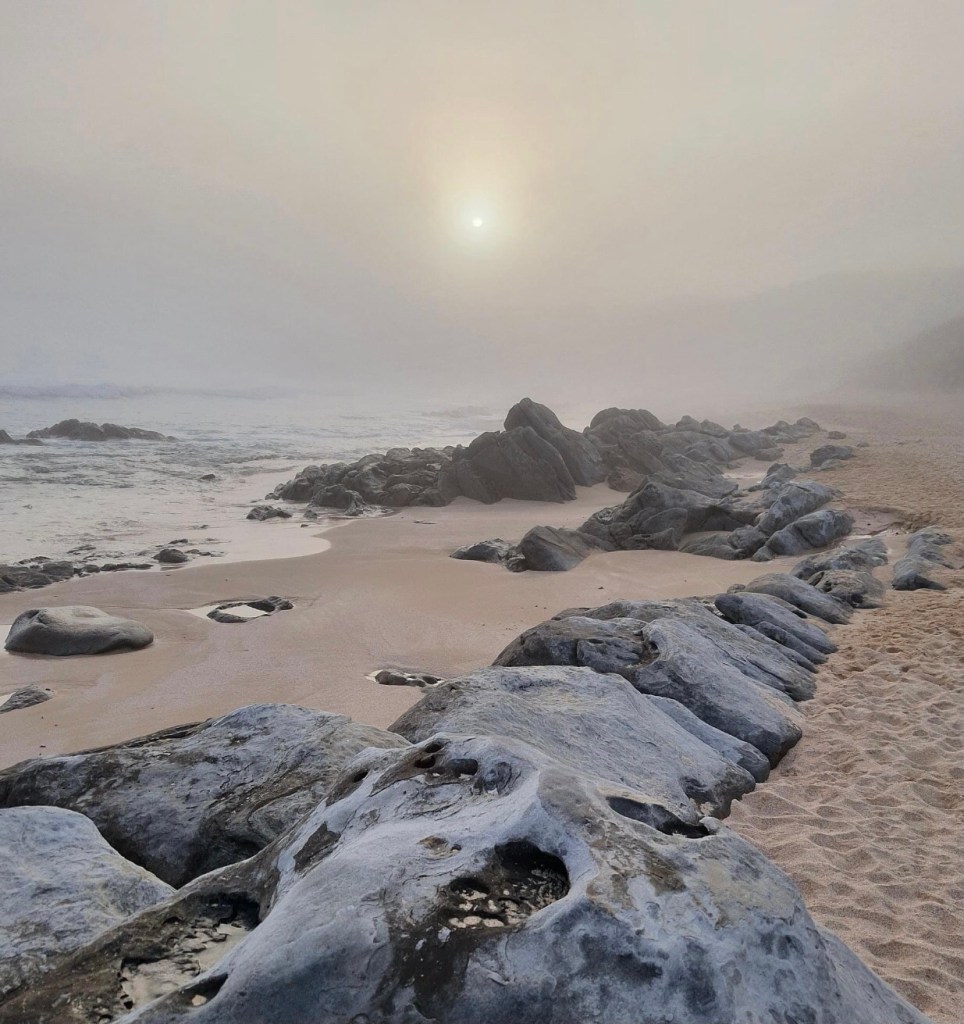
A big thank you to Mariska Spoormaker for permission to use her beautiful photograph. Mariska took the picture on the Sacramento Trail near Port Elizabeth in South Africa.
Yes we can! Read this story about a mouse. My son in London wrote it.
Lets all listen up and learn!
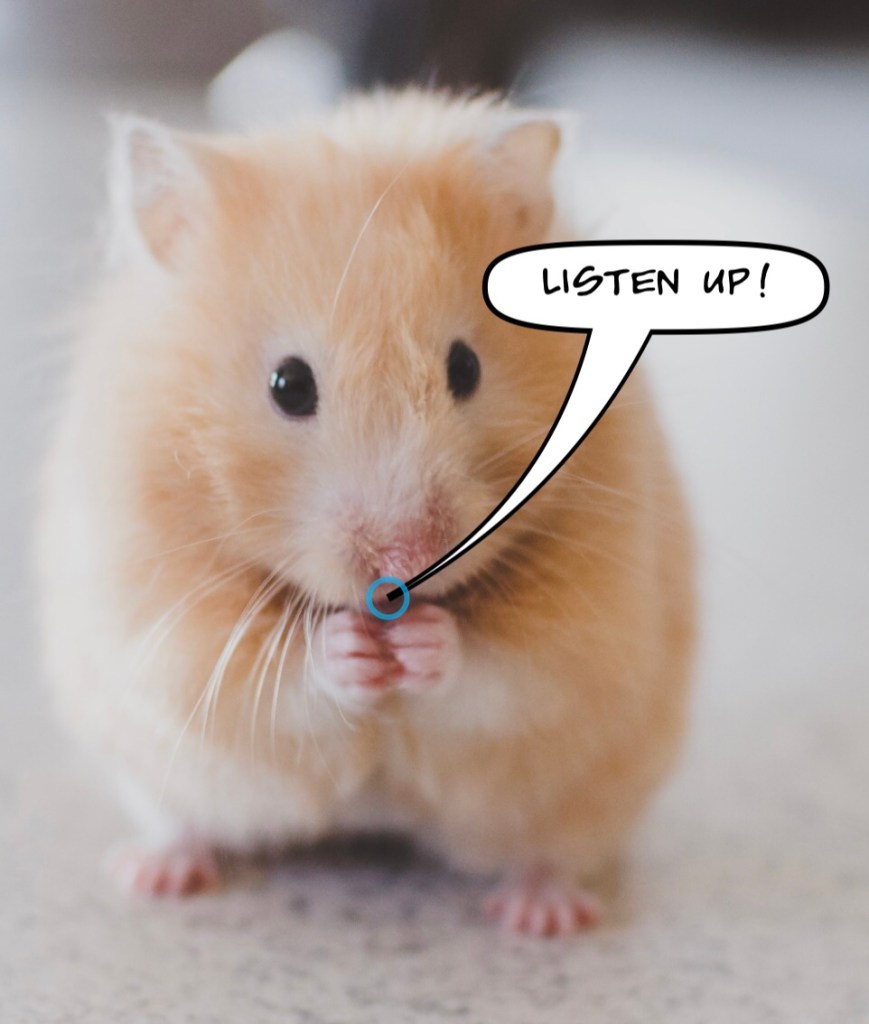
What the mouse treading milk in the bucket is really about
It’s about two things. The first is the obvious one that everyone knows about. The second is the less obvious but the most important.
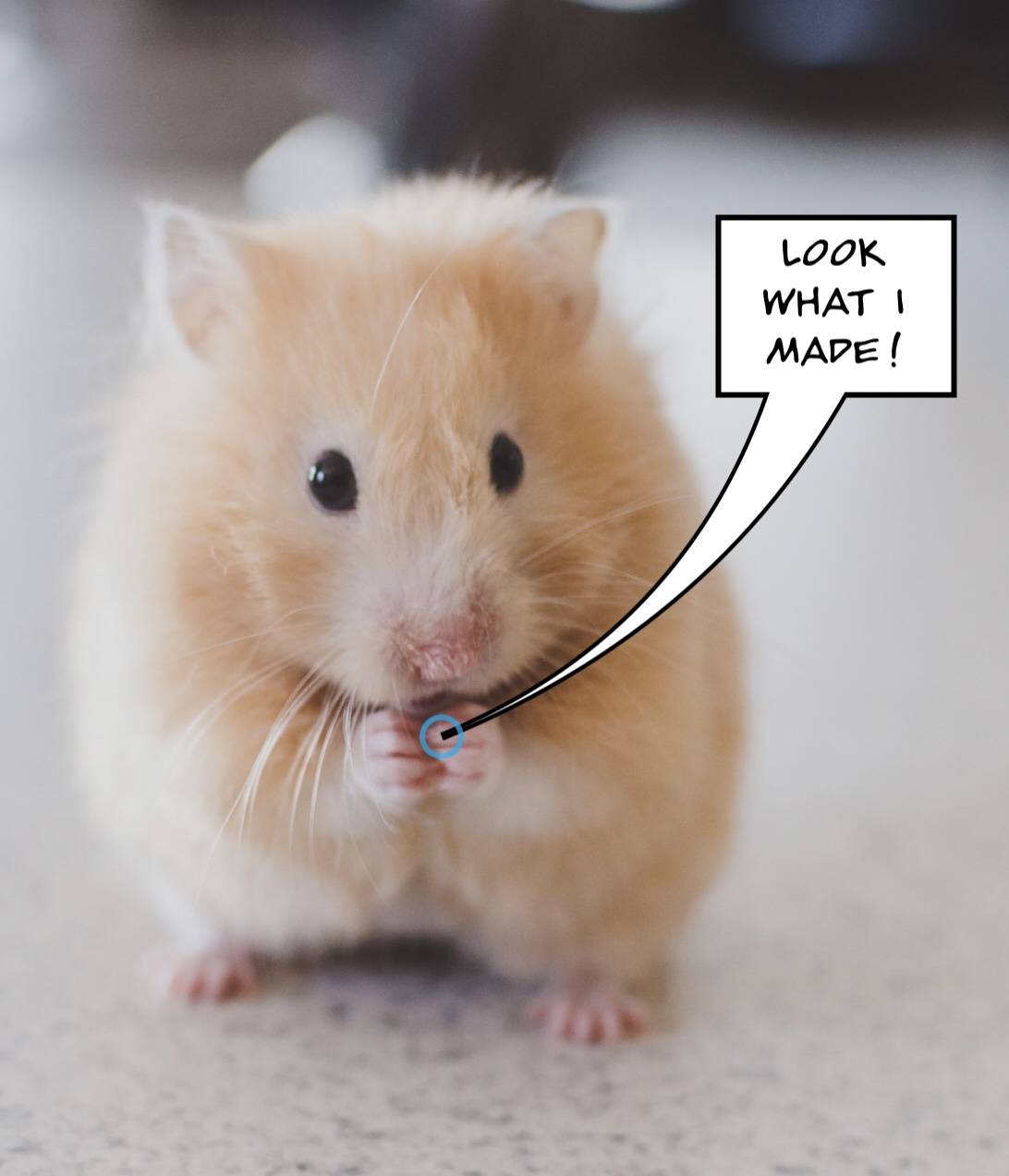
The first is about not giving up when in a difficult situation. It’s about keeping going because you never know what might happen. And while this is good advice it is also self-evident. The second is about doing work you don’t want to do. No mouse wants to be stuck in a bucket treading milk. But look what happens when he keeps going. The milk turns to butter. Not only does this change provide salvation for the mouse but it turns the milk into something very useful. And a whole bucket of it.
Work is like this. No matter what work you do, if you keep at it, it turns into something very useful. Things start to happen as if by magic. Take a janitor cleaning a floor. Nobody wants to do that. But if he keeps at it then he begins to notice how to do it in the most efficient way, which chemicals work best, when to do the work and so on. How many million-dollar cleaning businesses started this way? And yet they began with work that nobody wanted to do.
Whenever you do anything hard you are treading milk. Like with treading milk you may not see any progress for a long time. The quality of your output (whatever that might be) won’t change at first it and it may seem like it never will. But then… slowly, the milk begins to turn into butter. The output becomes valuable and sought after and you, its creator, will begin to love it. And all this happens through nothing more than persistence. You don’t need to learn. You need to keep going.

Something to think about
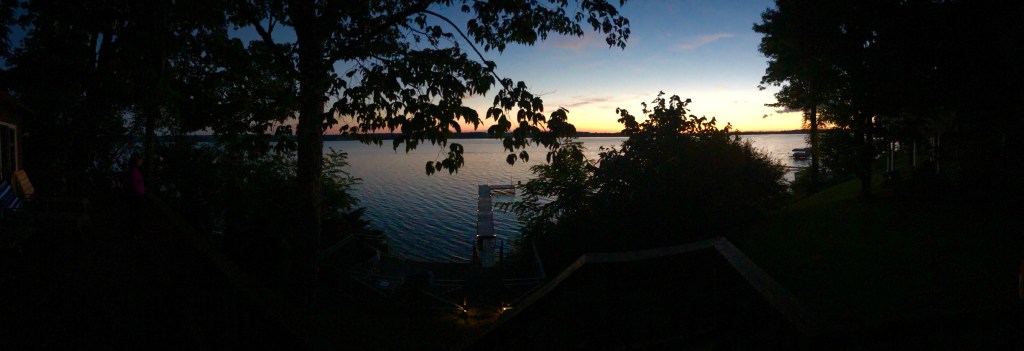
Yesterday’s the past, tomorrow’s the future, but today is a gift.
That’s why it’s called the present.
Bil Keane
Click here for the same message expressed in timeless poetry: “The Salutation of the Dawn”. It is a poem treasured for generations.It is a poem to be remembered forever. Keep safe.

Each day God gives us 84,400 seconds of life.
What a gift! What a wonderful Giver!
There is no guarantee we will get a refill tomorrow.
Time is passing like the jet in this picture of Big Ben.
Let us be grateful to God and make sure we don’t waste one second.today.
Click here for the same message expressed in timeless poetry: “The Salutation of the Dawn”. It is a poem treasured for generations.It is a poem to be remembered forever. Keep safe.

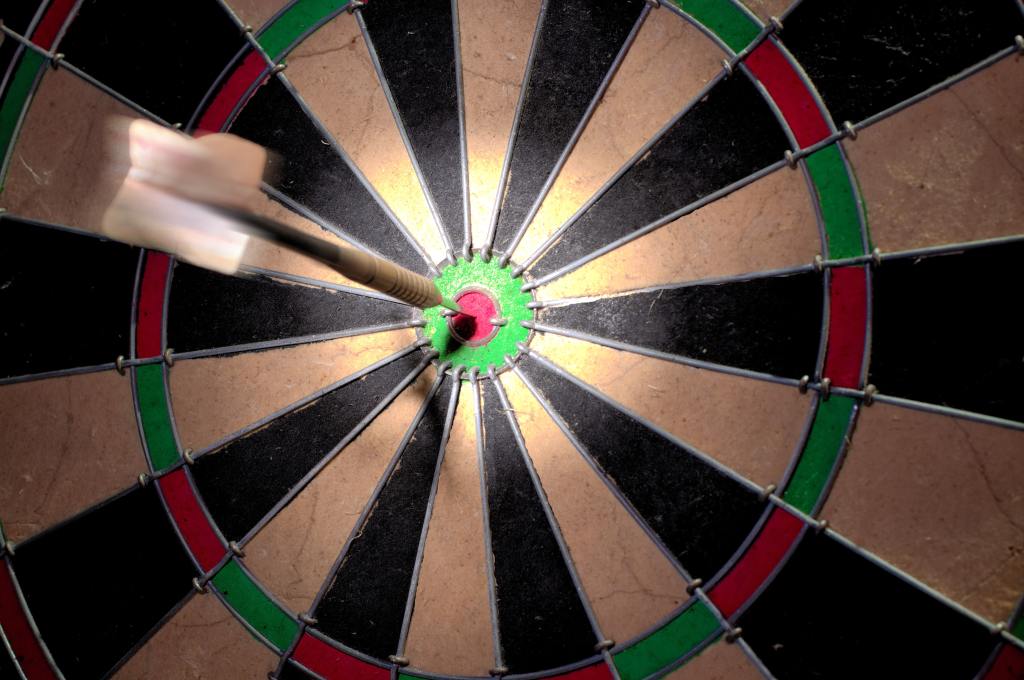
According to Wikipedia,
“Telos (/ˈtɛ.lɒs/; Greek: τέλος, translit.télos, lit. “end, ‘purpose’, or ‘goal”)[1] is a term used by philosopher Aristotle to refer to the full potential or inherent purpose or objective of a person or thing,[2] similar to the notion of an ‘end goal’ or ‘raison d’être‘. Moreover, it can be understood as the “supreme end of man’s endeavour”.[3]“
So we can and should ask ourselves: What is the inherent purpose or chief end of my life?
If we don’t know, then we could be living our lives going in the wrong direction. What a tragic waste!
Here is a clue about our telos from the Westminster Shorter Catechism:
Man’s chief end is to glorify God, and to enjoy him for ever.
As the Book of Common Prayer advises, may we “Read, mark, learn and inwardly digest.”
Keep safe.
I
 johnbartels.com