Once upon a time, in a forest, there was a wise old owl named Mary. All the animals in the forest would come to her for advice and guidance.
One day, a group of young bunnies came to Mary and asked her to tell them a story. Mary thought for a moment. She remembered a story a wise man called Aesop told her. Mary began to speak.
“Once upon a time, there was a rabbit named Speedy and a turtle named Slowpoke,” she said. “Speedy was very fast and loved to brag about how fast he could run. Slowpoke, on the other hand, was slow but steady.
One day, Speedy decided to challenge Slowpoke to a race. He laughed and said, ‘There’s no way you can win, you’re too slow!’ But Slowpoke accepted the challenge.
The day of the race arrived and Speedy took off quickly, leaving Slowpoke behind. But Speedy got too confident and took a nap during the race. When he woke up, he saw Slowpoke crossing the finish line first.
The moral of the story is that slow and steady wins the race. Don’t be like Speedy and brag all the time. Instead, be like Slowpoke and work hard and you will be successful in the end.”
The young bunnies were very impressed and thanked Mary for the story. From that day on, they remembered the story of Speedy and Slowpoke and worked hard to achieve their goals.
Once upon a time, there was a wise old owl named Mary who lived in Richmond Park. She had lived there for many years and had seen many things come and go. One day, she noticed that the rabbit family who lived nearby were having trouble finding food. The rabbits were small and not very fast, so they couldn’t catch their own food like the bigger animals could.
Mary, the wise owl, knew she had to help the rabbit family, so she went to speak with them. When they first met, Mary told the rabbits that the most important rule in life was to treat other animals just like they would like to be treated. She called it the golden rule.
She taught the rabbits how to better use their ears to listen for the sound of the plants growing underground. This way, they could find the freshest and most nutritious plants to eat. She also taught them how to better use their noses to smell for predators, so they could stay safe.
The rabbits followed Mary’s advice, and soon they were thriving. They had plenty of food and were able to live in peace and safety in Richmond Park.
But one day, a sly fox frightened the rabbits as he was hunting them, the rabbits were not aware of the fox’s presence and were caught off guard. The fox was almost able to catch a few of the young rabbits before they could run away. Mary, seeing the commotion, flew down to the scene and chased the fox away.
Mary then gathered the shivering rabbits and reminded them of the importance of staying alert and being aware of their surroundings at all times, especially when predators are around. She also reminded them of the golden rule, that they must always treat other animals just as they would like to be treated and to look out for one another. Little did they realise how important that rule would turn out to be.
One day, while the rabbits were out foraging, they stumbled upon a trap set by a hunter. Inside the trap was the fox who had been hunting them before. The rabbits were afraid and wanted to leave the fox there to suffer, but one of the young rabbits, named Flopsy, remembered Mary’s golden rule and decided to help the fox.
Flopsy carefully freed the fox from the trap, and the fox, surprised and grateful, thanked Flopsy. The fox said his name was Lightning and explained that he had been caught in the trap while hunting for food for his family, and that he had never intended to harm the rabbits. The two animals realized that they were not so different after all, and they became friends.
The fox and the rabbit family then worked together to find food and protect each other from danger in Richmond Park. Mary was happy to see that her advice had been taken to heart and that even the unlikeliest of friendships could form. They all lived happily ever after, always looking out for each other and Mary the wise owl was always there to protect them, always reminding them of the golden rule to treat others just as they would like to be treated.
A few months later there was a massive rain storm. The wind howled. The trees shook. It was icy cold. The rabbit family huddled together in their den.
Yet on that cold and windy night, at the height of the storm, they met someone who would become their friend for ever. He would become known as the Hero of the Winter Storm. He was a young dog named Wally.
But what happened?
That is another story ………………….
*******************************
*This story was generated by AI and a process of focused iteration plus actual amendment.
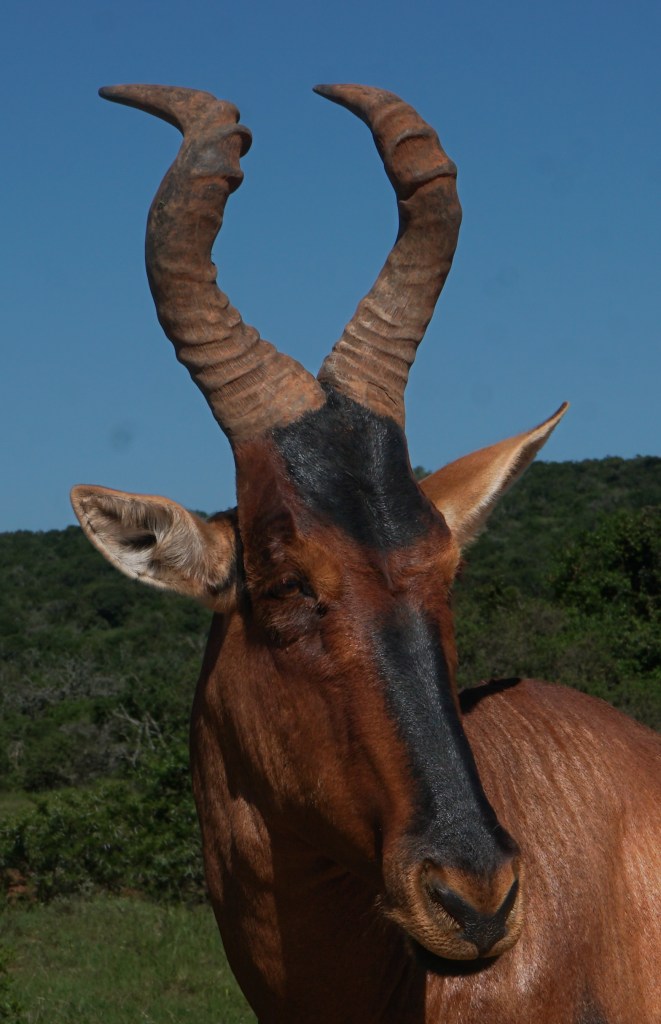
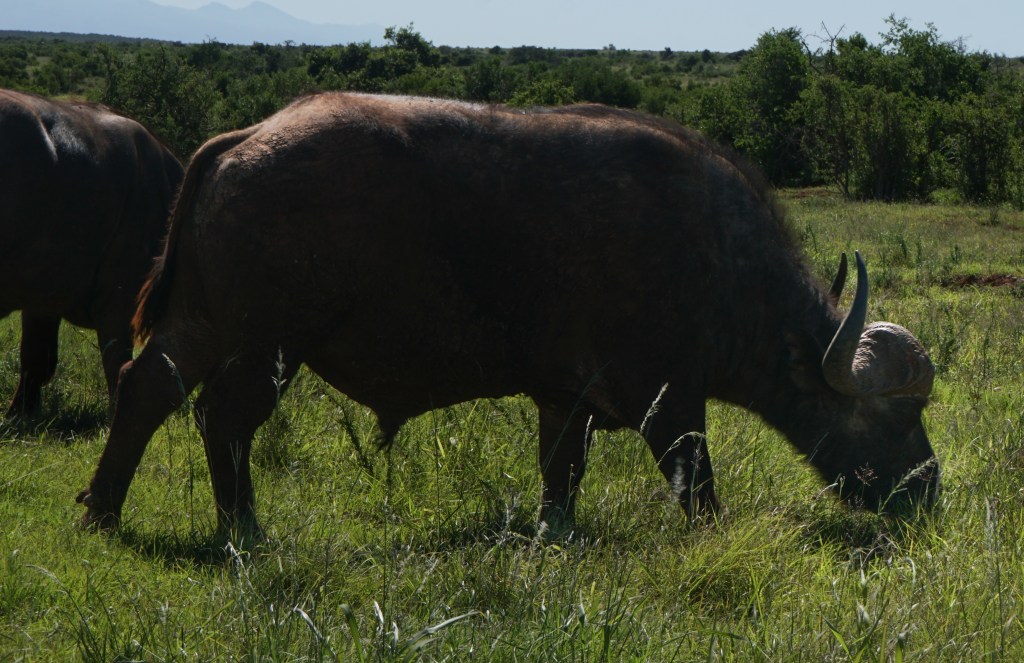
We visited Addo (outside Port Elizabeth) today. It was, as always, beautiful and interesting. Here are some pictures. Thanks to T and D for the outing. All within an hour of our home.
HartebeesHartebeesHartebees – right near momZebraStaying close to mom. Thanks to DT for the picture Following momBuffalo Heard of buffalo
Below the article is a picture plus a video explaining by how the trap works and also a video of an unharmed captured dassie. Please scroll down.
Dassies, as cute as they are, can become a tremendous nuisance. We had them in our garage. They got into the engine compartments of our cars. The stench of droppings and urine was nauseating. We tried disinfecting the garage to no avail. And then success! We caught a young Dassie in a trap without injuring the Dassie who will now be set free in the wild far away. Scroll down.
Below is a picture of the trap plus two videos. Please watch to the end. Many thanks to Arnold Slabbert, a well known Port Elizabeth animal lover and protector, without whose help and advice the dassie could not have been captured unharmed.
Please tap the videos once or twice
The trap
How the trap works
The baby dassie in the trap before being set free
Thank you.
These beautiful creatures have many names including; rock hyrax, dassie, rock rabbit, kolstert, procavia carpensis, coney, Al Wabr, shaphan, iMbila, and rock badger.
The giant african millipede, Archispirostreptus gigas, is called a “chongololo”or “chongi” in Zimbabwe. Picture taken in Port Elizabeth on 18 October 2022.







 johnbartels.com