This picture shows two South African white eyes leading by example by obeying the social distancing rule for white eyes (one inch). They are drinking sugar water. White eyes and their close relatives are small little birds found all over the world.
White eyes social distancing
This picture was taken late this afternoon in Port Elizabeth by a good, long time friend of mine. He is a great lover of wildlife and has gone on safari many times, not only here in South Africa, but also in Namibia, Botswana and Zimbabwe.
He is going to send me some more pictures of wild life and also some pictures of very interesting places he has visited, often way off the beaten track.
The beauty of the Cotswolds in south central England is genuinely beyond description. We were taken there by the family in the autumn of 2019. It was an unforgettable holiday.
The River Windrush
This is a picture I took from a small bridge straddling the River Windrush in the village of Bourton-on-the-Water. No, there are not chocolates under the picture!
The small shops were interesting to visit.
A striking feature of the area is the yellow stone used to build many of the buildings.
It was also admirable to be in a village that was clean and neat.
The flowers in the villages were very beautiful and it was already autumn.
Burford
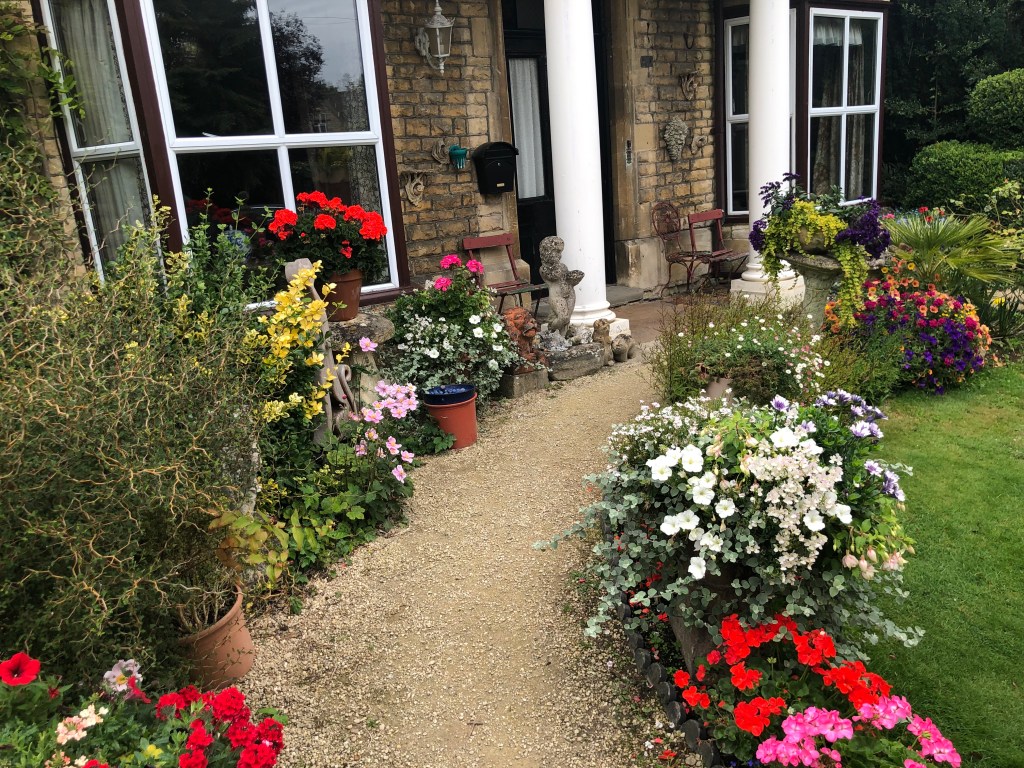
On the left is a garden pathway in the village of Burford, known as “The Gateway to the Cotswolds”. And, it is not even spring!
I can only imagine how the flowers in the village celebrate the arrival of spring. What a burst of blazing colour there must be.
“Animals have done us no harm and they have no power of resistance. There is something so very dreadful in tormenting those who have never harmed us, who cannot defend themselves, who are utterly in our power.” ― Cardinal John Henry Newman
If you go the Golden Gate Bridge in San Francisco go to the Warming Hut at Crissy Field. Get some coffee and walk along the waters edge towards the base of the Bridge. You will see plenty of joggers, cyclists and many walkers.
You will also see dogs with their owners, all enjoying the walk .
Below is a picture showing you where to walk.
You can walk almost to the end which is at the bottom right of the brown building in the picture.
At this end point is a sign with two hands on it which joggers, cyclists and walkers can touch, turn round and go back..
But, guess what?
The dogs have got their own sign as well to touch before they turn and trot back.
Below is a picture of “Yours truly” fist pumping the dogs sign.
Oh yes, I must say this:
We really love San Francisco. It is so special in many, many different ways.
When you are faced with solving a problem make sure you choose the best method to solve it.
Often there is more then one way to get the correct answer.
And, often one way is more difficult that another.
Always ask: Are there several ways to get the answer?
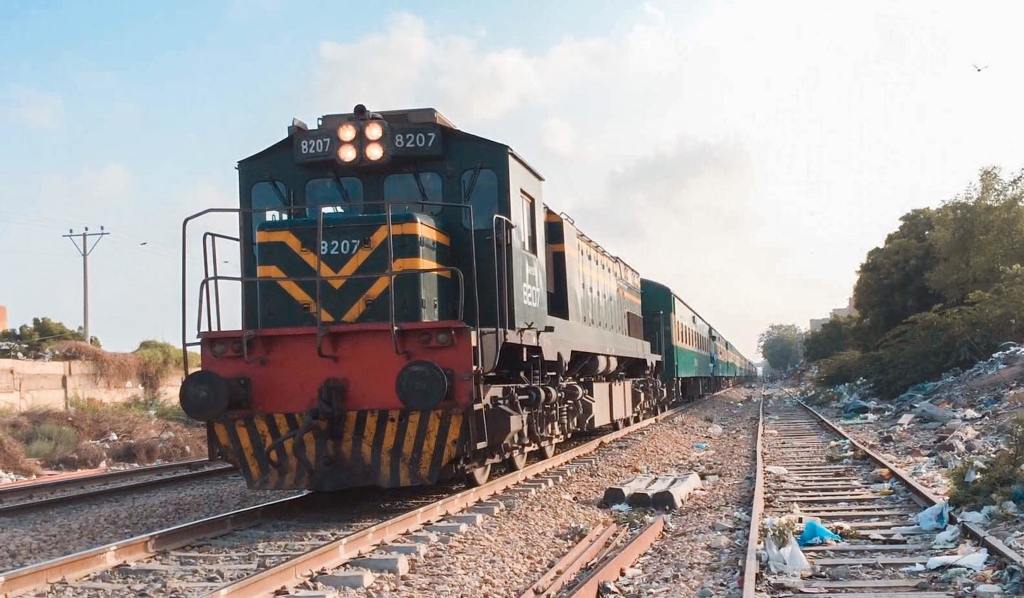
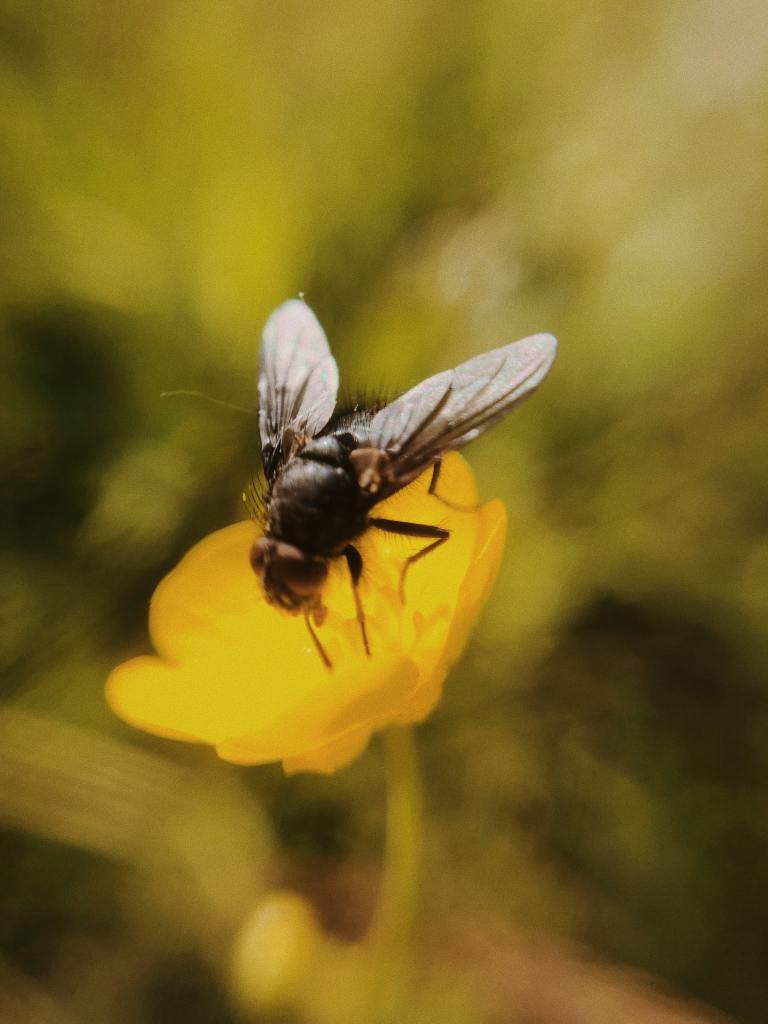
Do you remember the famous example of the fly flying between two oncoming trains?
Two trains are approaching each other.
Each train is travelling at 50 mph.
They are on the same single track.
They are 100 miles apart.
A fly is on the front of the engine of one of the trains.
As the trains approach each other, the flies to and fro between the two approaching trains – going from engine to engine.
The fly flies at 72.7 mph.
The trains crash and the fly is killed.
The total distance the fly flies is the total of the diminishing distances between the two trains up to the moment of impact.
The question is: What is the total distance flown by the fly?
There are two ways of working out the answer
The first way is mathematical.
Good luck doing it this way. You are going to struggle. Unless of course you have a brain like John Newmann the physicist and mathematician who apparently worked it out mathematically in seconds.
The second way is to use logic.
How long does it take for the trains to collide? Answer: 1 hour
How fast is the fly flying? Answer: 72.7 mph.
How far does the fly fly in one hour: Answer: 72.7 miles
And that of course is the answer: 72.7 miles
(Tough luck John Newmann)
So, what is the lesson of the trains and the fly problem?
The lesson
When you are faced with solving a problem make sure you choose the best method to solve it.
When you wake up in the early morning, this is the call at dawn:
Live well today. This will create happy memories and hope for the future.
Excellent advice, not put over in a very exciting way.
Let’s hear the original advice penned by Kalidasa the classical Sanskrit writer c 6th-7th CE
No wonder this is the favorite poem of so many people.
Look to this day: For it is life, the very life of life. In its brief course Lie all the verities and realities of your existence. The bliss of growth, The glory of action, The splendour of achievement Are but experiences of time.
For yesterday is but a dream And tomorrow is only a vision; And today well-lived, makes Yesterday a dream of happiness And every tomorrow a vision of hope. Look well therefore to this day; Such is the salutation to the ever-new dawn!
The first is genuine ignorance: The person honestly did not know.
The second is culpable ignorance: The person was capable of finding out but did not find out by sheer negligence.
The third is deliberate ignorance: The person knows that there is something they should find out about but decides to keep themselves in the dark – perhaps in the hope that being ignorant might excuse lack of required action.
All three kinds of ignorance could lead to varying degrees of legal liability.
Out of the three, deliberate ignorance could have the most serious legal consequences as in certain cumstances it could amount to fraud.







 johnbartels.com